UN Women, Nigeria Civil Service Launch Gender-Responsive Planning Bodies
Following an MOU between UN Women and the OHCSF, new Steering Committee and Technical Working Group structures have been inaugurated to embed gender-responsive planning across Nigeria’s MDAs. The five-year INSPIRE Programme will support women’s professional advancement and leadership, with UN Women providing technical expertise. Officials call this a shift from commitment to structured implementation, aiming for a fully transformed, gender-equitable civil service.
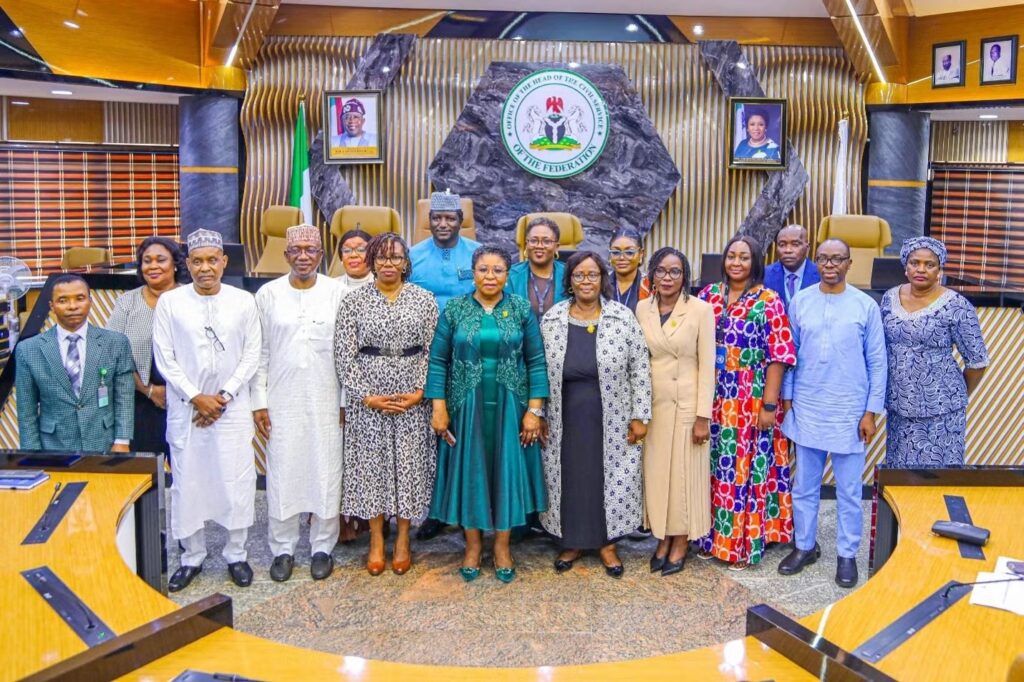
ABUJA, Nigeria — UN Women and the Office of the Head of the Civil Service of the Federation (OHCSF) have inaugurated a Steering Committee and Technical Working Group on Gender-Responsive Planning and Budgeting (GRPB), alongside the INSPIRE Programme, in a move aimed at advancing gender equality across Nigeria’s Federal Civil Service.
The new structures are expected to provide strategic and technical oversight for the integration of gender-responsive approaches into government planning, budgeting, policy implementation and institutional reforms across ministries, departments and agencies.
The inauguration follows a Memorandum of Understanding between UN Women and the OHCSF focused on strengthening women’s leadership and promoting gender equality within the Federal Civil Service.
UN Women Representative to Nigeria and ECOWAS, Ms. Beatrice Eyong, described the development as an important step from commitment to practical reform.
“Today is not merely a ceremony but the moment when commitment becomes structure, and structure becomes the engine of implementation,” Eyong said.
“By inaugurating the Steering Committee and Technical Working Group, the Office of the Head of the Civil Service of the Federation is signaling that gender equity in the Federal Civil Service will be a result we plan for, budget for, measure, and deliver.”
Gender-Responsive Planning and Budgeting is designed to ensure that government policies, plans and public resources account for the differing needs, experiences and realities of women and men. Supporters say the approach can help public institutions identify and address inequalities more effectively while delivering development outcomes that are inclusive.
The initiative also introduces the INSPIRE Programme — Inclusive Network for Supporting Progress, Innovation, Reform and Equity for Women — a five-year programme intended to expand women’s leadership opportunities, professional growth and gender-responsive policies across the Federal Civil Service.
Developed in response to findings from the Federal Civil Service Culture Diagnostic Survey, the programme seeks to create an institutional environment in which women can advance professionally and take on leadership roles in public service.
Eyong said the significance of the initiative extends beyond internal civil-service reforms because of the role the Federal Civil Service plays in delivering national policies and programmes.
“The Federal Civil Service is the machinery through which every national policy, every budget line, and every development programme reaches the Nigerian people,” she said. “If the civil service is gender-responsive, governance is gender-responsive.”
Under the framework, the Steering Committee will provide strategic direction and leadership, while the Technical Working Group will lead implementation, coordination, monitoring and learning activities.
Together, the two bodies will support the integration of gender-responsive policies and practices throughout the Federal Civil Service, with the aim of making planning and resource allocation more responsive to the needs of all Nigerians.
UN Women said it will support the process through technical expertise, capacity building, policy guidance and evidence-based monitoring and evaluation.
“UN Women’s commitment as your technical partner is total and unwavering,” Eyong said. “We will walk with you at every step, from today’s inauguration to the day we jointly report a transformed, gender-equitable Federal Civil Service.”
The inauguration is seen as a key milestone in Nigeria’s effort to build a more inclusive, equitable and accountable public service, while ensuring that gender equality is reflected not only in policy commitments but also in the systems, budgets and institutions that shape public governance.