Liberia Alcohol Policy Conference Renews Push for Strong National Law
Issah Ali, Head of Secretariat of the West African Alcohol Policy Alliance (WAAPA), emphasized the critical stage Liberia is at in controlling alcohol and urged stakeholders to ensure the adoption of comprehensive alcohol-control legislation by the third year post-policy adoption.
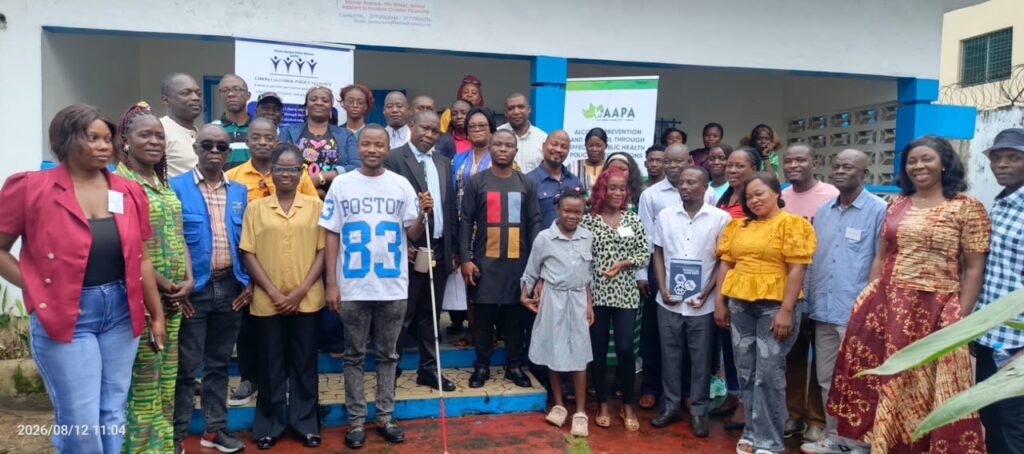
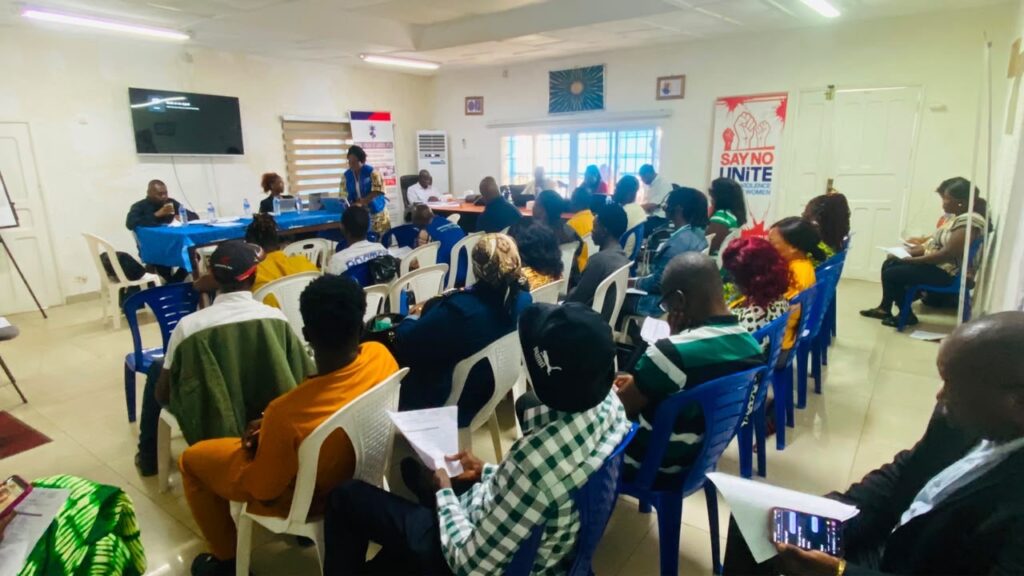
Monrovia, Liberia – The second National Conference on Alcohol Policy has renewed calls for stronger national laws to regulate alcohol and reduce the growing health, social and economic harms linked to heavy drinking across the country.
Organized by the Liberia Alcohol Policy Alliance (LAPA) in partnership with the Ministry of Health’s Mental Health Unit, the meeting brought together representatives from justice and human rights institutions, the media, women’s and youth groups, child protection organizations, and organizations of persons with disabilities. The broad coalition of participants signaled rising concern about the impact of alcohol misuse on vulnerable communities and the wider society.
The conference was held under the theme, “Achieving the ARREST Agenda through the Development and Implementation of the Liberia National Alcohol Control Legislation,” highlighting the push to move from policy commitments to binding laws. In attendance was Issah Ali, Head of Secretariat of the West African Alcohol Policy Alliance (WAAPA), who joined Liberian stakeholders in appealing for faster action on alcohol control legislation. Liberia formally launched its National Alcohol Policy in 2023, providing the framework that now needs to be translated into enforceable law.
Regional Call for Faster Legislative Action
Addressing participants, WAAPA Head of Secretariat Issah Ali said Liberia had reached a critical stage in its efforts to control alcohol and should accelerate work toward passing a comprehensive law. He praised the adoption of the Liberia Alcohol Control Policy as an important step, but warned that policy alone is not enough without clear legal measures and strong enforcement.
Ali reminded the gathering that the policy itself calls for drafting alcohol-control legislation in the third year after its adoption, and urged stakeholders to ensure that this commitment is met. He said the conference offered a timely chance to examine what must be included in the law, including tighter enforcement systems, clear rules to prevent underage drinking, and specific responsibilities for the government agencies and institutions involved in alcohol control.
Discussions at the conference covered a wide range of topics, among them the link between alcohol and healthcare, drunk driving, the protection of schoolchildren, youth engagement, and alcohol taxation. Ali stressed that no single government body or organization can successfully control alcohol on its own; instead, he called for coordinated action involving state institutions, civil society, communities and the media.
Health, Justice and Revenue Experts Warn of Growing Harm
A high-level panel brought together senior figures from the health, justice and revenue sectors to explain how Liberia can design and implement a strong alcohol control program. Ministry of Health Director for Mental Health Division, Dr. Moses Ziah, told participants that alcohol abuse continues to be a serious public health problem, increasing hospital admissions and contributing to a range of illnesses, including liver cancer and other non‑communicable diseases.
Dr. Ziah pointed to global reports by the World Health Organization, noting that alcohol has no essential role in the human body and, when misused over time, damages cells and undermines health. He said stronger control measures would help reduce the number of people suffering from alcohol-related conditions and ease pressure on Liberia’s already strained health system.
Also on the panel was Research Officer Belle Kollie from the Ministry of Justice Human Rights Division. Kollie encouraged LAPA and its partners to pay close attention to the human rights dimensions of any new law, warning that regulations must be firm but fair. She said the proposed legislation should balance the need to protect public health with the obligation to respect the rights of different groups in society, including lawful business operators and consumers.
Liberia Revenue Authority Assistant Commissioner Sebastian Weah used his intervention to explain how taxation fits into alcohol control. He noted that tax rates on the manufacture and import of alcohol and tobacco products are already high, yet these goods remain widely available because they are legally recognized commodities. Weah assured the alliance that the revenue authority is ready to use existing tax laws to help protect citizens once a clear and comprehensive alcohol control law is in place.
“We have a system of law,” Weah told participants, emphasizing that sustained advocacy from LAPA and civil society can help secure the passage of strong legislation which the revenue authority will then strictly implement.
Civil Society Push for Coordinated National Response
Panelists pledged that their respective institutions would continue working with civil society and the Liberia Alcohol Policy Alliance to develop an effective, coordinated framework to address alcohol-related problems. They agreed that better laws, clearer institutional roles, and stronger enforcement will be crucial to reducing alcohol harm in communities across Liberia.
The conference also reaffirmed LAPA’s longstanding advocacy for firm national action to curb harmful alcohol consumption and protect vulnerable groups, especially young people, from the risks associated with heavy drinking. LAPA has been campaigning for increased public awareness and policy reforms targeting underage drinking, drunk driving, and other forms of risky alcohol use, while also calling for greater attention to people living with disabilities and other marginalized communities.
Participants echoed the view expressed by WAAPA’s Issah Ali that progress in Liberia will have implications beyond its borders, contributing to wider regional efforts to reduce alcohol-related harm across West Africa. As discussions closed, stakeholders reiterated their commitment to using the outcomes of the conference to shape practical steps, build consensus on the content of the proposed legislation, and ensure that communities and young people have a voice in the national debate on alcohol control.