Community-Led Care Solutions Unlock Opportunities for Women in Mali
Community-led care solutions in Bamako are helping reduce the heavy burden of unpaid domestic work on women, freeing time for education, entrepreneurship, leadership and civic participation. By investing in practical, locally driven support, communities can advance gender equality, strengthen women’s independence and build more resilient local economies.
BAMAKO, Mali — What could women achieve if they had more time?
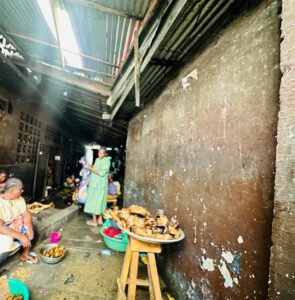
For many women across Mali, unpaid care and domestic work consumes hours each day. Tasks such as cooking, cleaning, collecting water, caring for children and supporting family members are essential to household wellbeing, yet they often limit women’s ability to pursue education, earn income, lead businesses and participate fully in public life.
In Bamako, however, community-led solutions are beginning to change that reality.
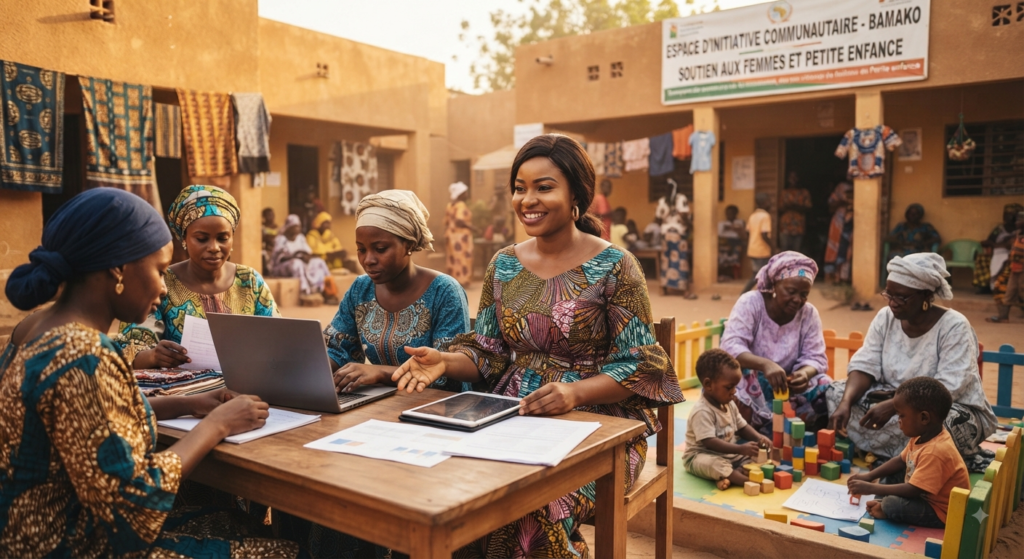
By reducing the time women spend on some of the most demanding daily responsibilities, these initiatives are creating space for women to invest in their futures. More women are able to expand small businesses, pursue economic opportunities, strengthen their financial independence and contribute more actively to their communities.
The impact goes beyond household convenience. Time saved from unpaid care work can become time for training, entrepreneurship, community leadership and civic participation. It can also enable women to make decisions about their own lives with greater confidence and independence.
For many families, women’s unpaid labour remains largely invisible despite its central role in sustaining homes and communities. Yet the burden of this work can prevent women and girls from accessing the same opportunities as men and boys.
Community-led approaches in Bamako demonstrate that practical investments in care can help address this imbalance. When communities create solutions that reduce the pressure of daily domestic responsibilities, women gain greater freedom to earn, learn and lead.
“Investing in care is not simply about saving time,” advocates say. “It is about unlocking opportunity, advancing gender equality and building stronger, more resilient communities.”
The connection between care work and development is increasingly clear. Women who have more control over their time are better positioned to pursue livelihoods, support their families, participate in local decision-making and contribute their skills to community growth.
As Mali continues to seek inclusive development, ensuring that women are not held back by disproportionate unpaid care responsibilities must remain a priority. Supporting accessible, locally driven care solutions can help transform the daily lives of women while strengthening households, local economies and communities.
When women have more time, they gain more than a few extra hours in the day. They gain greater opportunity to shape their own futures—and to help shape the future of their communities.