A shift from pity to rights
Research from the United Nations and the International Labour Organization shows that the main barriers disabled people face are systemic: discriminatory attitudes, inaccessible environments, and a lack of reasonable accommodation in schools, workplaces, and public services—not a lack of capacity or willingness to contribute. Studies across regions repeatedly find that employers underestimate the abilities of people with disabilities, assume lower productivity, and overestimate the cost of accommodations, despite evidence that many adjustments are low-cost and yield clear benefits.

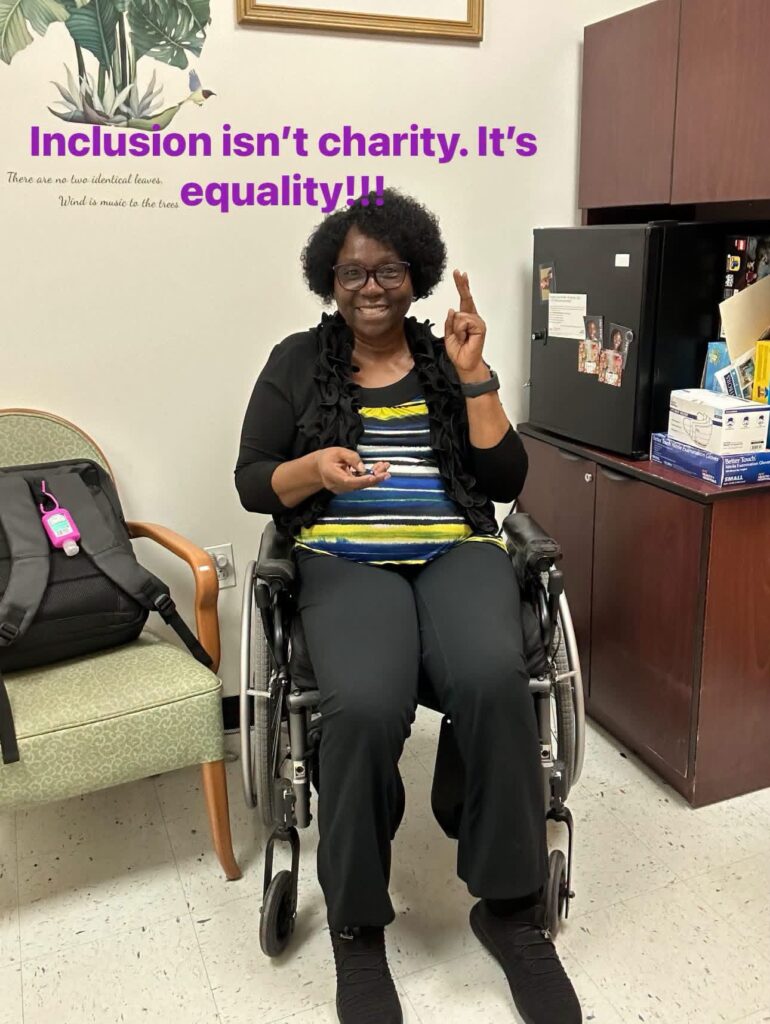
“People with disabilities don’t need to be treated as helpless. They need opportunities.” The message, simple but uncompromising, is gaining resonance far beyond disability circles as advocates push societies to move from charity-driven pity to rights-based inclusion.
The stakes are high: the World Health Organization estimates that about 1.3 billion people—roughly one in six people worldwide—live with significant disabilities, a figure that is expected to rise as populations age. Nearly 80% of these individuals live in low- and middle-income countries, where basic services and inclusive infrastructure are often severely limited.
For decades, people with disabilities have been framed either as objects of pity or as “inspirations” for overcoming adversity, rather than as equal citizens entitled to full participation in public life. Advocates argue that this narrative is deeply harmful because it places the problem in the body of the disabled person rather than in the design of society.
Research from the United Nations and the International Labour Organization shows that the main barriers disabled people face are systemic: discriminatory attitudes, inaccessible environments, and a lack of reasonable accommodation in schools, workplaces, and public services—not a lack of capacity or willingness to contribute. Studies across regions repeatedly find that employers underestimate the abilities of people with disabilities, assume lower productivity, and overestimate the cost of accommodations, despite evidence that many adjustments are low-cost and yield clear benefits.
When advocates say “They need accessible transportation,” they are talking about more than convenience—they are talking about a basic precondition for freedom of movement and participation. Lack of accessible, affordable transport consistently emerges as one of the top barriers to employment for disabled job seekers in multiple countries.
A systematic review of low- and middle-income countries found that distance, transport costs, and physical inaccessibility of buses, taxis, and roads were central reasons why people with disabilities could not reach schools, health services, or workplaces. In UN training materials on disability and work, inaccessible transportation is specifically cited as a structural barrier, along with inaccessible housing and workplaces, that keeps many disabled people out of the labour market altogether.
Advocates’ insistence that “They need education” reflects a long-standing reality: children and adults with disabilities are far more likely to be excluded from schooling, vocational training, and higher education. The World Report on Disability notes that disabled people are disproportionately denied equal access to education and skills-building, which limits their chances later in the job market.
UN modules on the right to work underscore how stereotypes—such as the belief that disabled people are less intelligent or slow to learn—combine with inaccessible teaching materials and untrained staff to push many out of classrooms and training programs. Recent research on job acquisition barriers shows that lack of education or training is one of the most frequently reported obstacles for job seekers with disabilities, often ranking alongside lack of transportation as a primary barrier.
“They need employment” is not a slogan; it is a response to a persistent and measurable gap. Globally, only about 27% of persons with disabilities are employed, compared with 56% of persons without disabilities, according to recent human rights analysis. In some low- and middle-income countries, unemployment rates among disabled people can be as high as 60–90%, far above national averages.
A large body of research finds that disabled job seekers face discrimination at every stage: recruitment, interviewing, hiring, training, promotion, and retention, often driven by ableist assumptions and fear rather than evidence. UN reviews highlight additional barriers such as inaccessible information, employers’ reluctance to provide reasonable accommodations, and the so‑called “benefits trap,” where fear of losing welfare benefits discourages some from entering precarious labour markets.
“They need accessible buildings” points to another systemic problem: many schools, workplaces, government offices, clinics, and public spaces are physically designed in ways that shut disabled people out. The World Report on Disability and subsequent WHO and UN analyses identify inaccessible buildings, streets, and products as key drivers of social exclusion, alongside negative attitudes and lack of services.
Researchers in low- and middle-income countries emphasize that barriers in the natural and built environment—such as steps without ramps, narrow doorways, and lack of accessible toilets—combine with limited funding and poor policy enforcement to make everyday participation extremely difficult. In employment-focused studies, inaccessible workplace design and lack of assistive technologies are repeatedly cited by both workers with disabilities and employers as major obstacles to hiring and retention.
“Most importantly, they deserve dignity and equal participation.” This demand aligns directly with international human rights law, including the Convention on the Rights of Persons with Disabilities (CRPD), which affirms the right of disabled people to work, education, health, and participation on an equal basis with others. WHO’s global report on health equity for persons with disabilities similarly argues that closing these gaps requires dismantling systemic barriers and centering disabled people’s voices in policy-making.]
Recent analyses stress that rights on paper are not enough; enforcement of anti-discrimination laws, public investment in inclusive infrastructure, and binding standards for accessible digital and AI tools are needed if equal participation is to be realised in practice. Disability advocates say that means listening to their priorities: not more sympathy, but more accessible buses and classrooms, more fair hiring processes, more ramps and lifts, and more seats at decision‑making tables.
The emerging consensus among researchers, policymakers, and disability movements is clear: societies must stop treating disabled people as helpless and start treating them as rights-holders whose exclusion stems from fixable barriers, not from their bodies. Evidence from multiple regions shows that when workplaces are accessible, transport systems inclusive, and schools open to all, disabled people participate, contribute, and thrive.
As the global disability population continues to grow, the question is no longer whether societies can afford to include people with disabilities, but whether they can afford not to. Advocates insist that the path forward begins with a simple reframing: opportunities instead of pity, accessibility instead of obstacles, and dignity and equal participation instead of charity.