UNDP-Backed Initiative Trains Liberian Youth to Fight Online Misinformation
What started as a global summit in Spain is now a national movement in Liberia. With support from UNDP and Local Voices Liberia, fact-checker Aria Deemie has launched a training program equipping young people with the skills to reject misinformation, check sources, and foster respectful political debate across digital platforms.
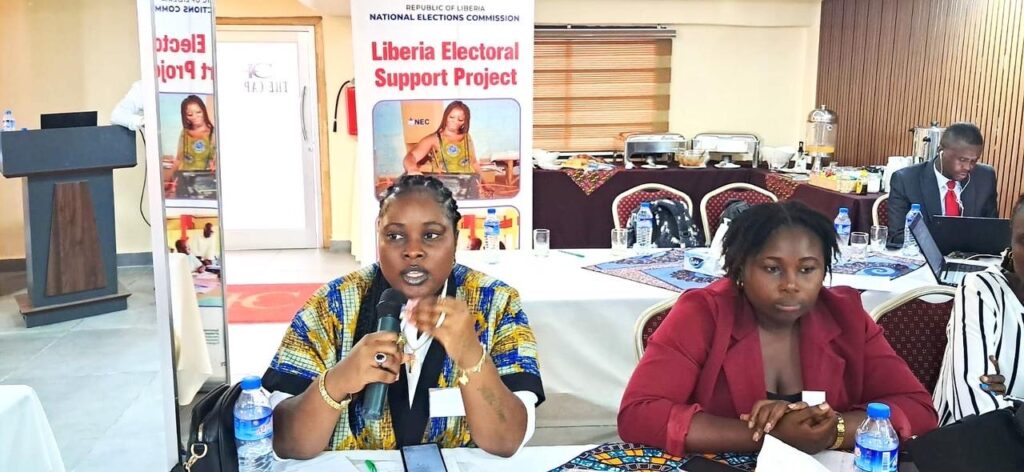
MONROVIA, Liberia — A youth-led media literacy initiative supported by the United Nations Development Programme (UNDP) is helping young Liberians develop the skills to identify false information, verify online content and promote peaceful public discussion.
The training programme, titled Media and Information Literacy for Democracy: Strengthening Youth Participation through Information Literacy, was held in three sessions between July and August 2026. It brought together 55 young people from political parties, universities, civil society groups and media institutions.
The programme was organized through the Liberia Electoral Support Project (LESP), which is managed by UNDP. It was implemented in collaboration with the National Elections Commission, Local Voices Liberia and the Press Union of Liberia.
The initiative comes at a time when social media is playing a stronger role in Liberia’s public life. Young people are increasingly using digital platforms to discuss politics, governance and national development. However, the same platforms have also made it easier for misinformation, disinformation and hate speech to spread, especially during periods of political tension.
UNDP Chief Technical Advisor for the Liberia Electoral Support Project, Katherine Green, said the long-term impact of the training would depend on how participants use the knowledge in their communities.
“The success of this initiative will be measured not simply by what participants learn today, but by the conversations they influence afterwards, the peaceful dialogue they promote, and the positive examples they set within their communities,” Green said.
The workshops focused on helping participants assess information before sharing it online. They were trained to recognize misleading content, check sources, understand the difference between misinformation and disinformation, and communicate responsibly in digital spaces.
The sessions used learning materials from UNDP’s Youth Civic and Political Participation Curriculum and UNESCO’s Journey through the MILtiverse. The materials were adjusted to reflect Liberia’s social, political and digital environment.
The programme supports UNDP’s 2026–2030 Country Programme, particularly its focus on digital transformation and youth empowerment. It also contributes to the Liberian Government’s ARREST Agenda for Inclusive Development by encouraging young people to play an active role in democratic governance.
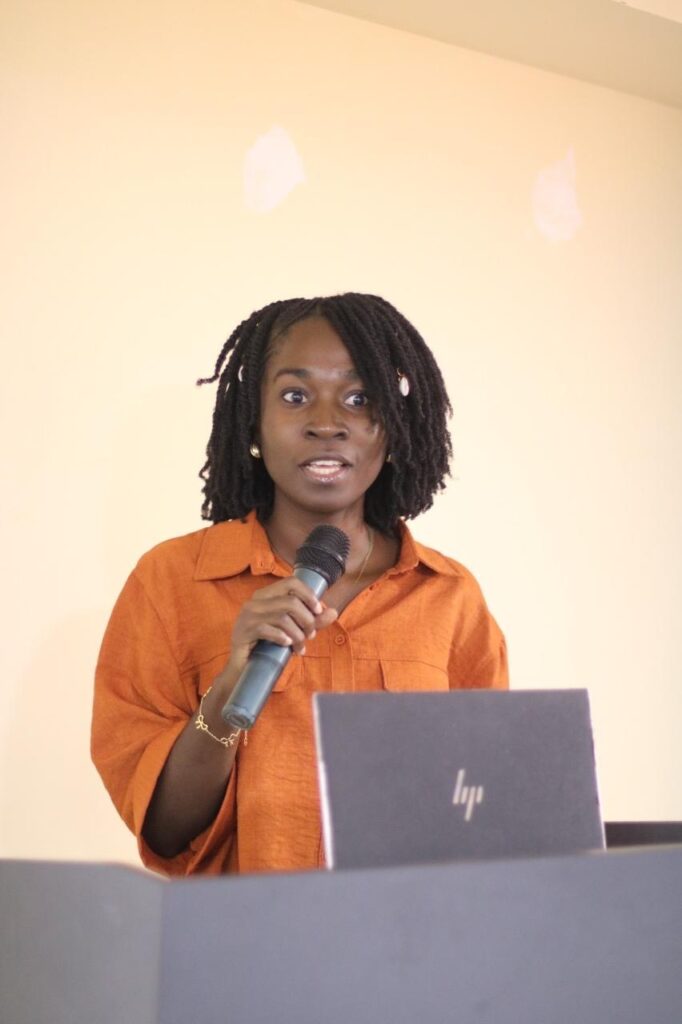
The initiative was inspired by Liberian journalist, fact-checker and social worker Aria Deemie, whose work in media literacy and public-interest reporting has earned national recognition.
For Deemie, the value of journalism extends beyond publishing stories. She believes its real impact is seen when people become more capable of asking questions, checking facts and rejecting harmful falsehoods.
Deemie has received recognition from the Press Union of Liberia, including awards for Health Reporter of the Year and Trafficking in Persons Reporter of the Year. Through her work with Local Voices Liberia, she has also supported media literacy efforts among journalists, students and community members.
In 2025, Deemie was selected to represent Liberia at the UNDP-UNESCO Media and Information Literacy for Youth in Elections programme, known as MIL4Elections, during the 24th University on Youth and Development in Spain.
The programme brought together 20 young leaders from different countries to examine how media literacy and information integrity can strengthen democracy in the digital age.
After completing the international programme, Deemie proposed that a similar training be introduced in Liberia. Her proposal was among a limited number approved globally for implementation through support from Global Affairs Canada under the Project for Resilience and Integrity in the Management of Elections.
With technical and operational assistance from the Liberia Electoral Support Project, the proposal developed into a national youth-focused initiative.
A pilot workshop conducted in Monrovia in March 2026 attracted strong interest from participants and partner institutions. The positive response encouraged the organizers to expand the programme into a wider series of workshops.
“I do not want this to be just another workshop,” Deemie told participants. “I want each of you to become peer mentors and take what you have learned back to your schools, organizations, communities and online spaces.”
Participants pledged to share the training in university press clubs, youth groups, civil society networks and local communities.
Organizers said the training became more than an exercise in identifying false information. It also created a space for young people from different political and professional backgrounds to engage respectfully and discuss the importance of truth in democratic life.
Press Union of Liberia President Julius Kanubah said media and information literacy is essential to public accountability and democratic participation.
“Media and information literacy is not a luxury, but a necessity,” Kanubah said. “It is the foundation for informed participation, accountability, and the defense of press freedom.”
Local Voices Liberia Executive Director Alpha Daffae Senkpeni also warned that a poor information environment can deepen political division and create conditions for conflict. He encouraged participants to be careful about both the information they consume and the material they share with others.
UNDP says the programme shows how an international learning opportunity can produce a practical national impact when young people are given the support to lead.
Green said Deemie’s work demonstrates the importance of investing in young leaders who can turn global knowledge into local solutions.
“What began as a global learning opportunity in Spain has now been transformed into a national initiative equipping young Liberians with practical tools to navigate today’s complex information environment,” Green said. “We are particularly proud that this effort is being led by a young Liberian whose vision and commitment have transformed international learning into local action.”
The impact of the initiative is expected to continue through the network of young people who completed the training. The participants are expected to promote fact-checking, peaceful dialogue, responsible online conduct and informed civic participation in their various institutions and communities.
Supporters believe the programme could help reduce the influence of rumors and harmful online content while encouraging more constructive public debate.
The Liberia Electoral Support Project is managed by UNDP and implemented in partnership with UN Women and the Netherlands Institute for Multiparty Democracy. It receives support from the European Union, Irish Aid and Sweden.
Through its work with national institutions and young people, the project continues to support efforts aimed at improving electoral governance, strengthening democratic institutions and building a more resilient Liberia.