EPA Expands Science-Based Environmental Protection Efforts
During a visit from former President Ellen Johnson Sirleaf, the EPA highlighted progress in environmental monitoring and research, emphasizing the importance of scientific data in guiding national decisions.
MONROVIA, Liberia — Liberia’s Environmental Protection Agency is strengthening its scientific capacity through improved laboratory services, environmental monitoring and international partnerships aimed at supporting stronger policies for the protection of people and natural resources.
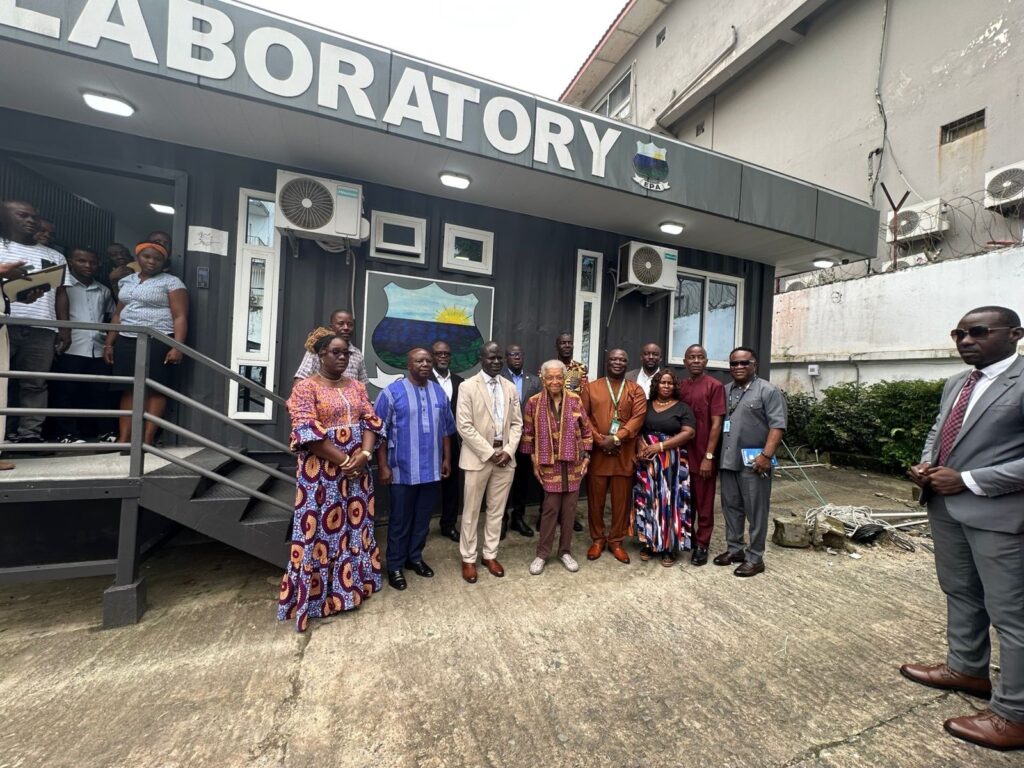
The Agency outlined the progress during a visit to its Monrovia headquarters by former President Ellen Johnson Sirleaf on Tuesday.
During the visit, Madam Sirleaf met members of the EPA’s senior management team and toured key technical sections of the institution, including the Geographic Information System Laboratory and the Environmental Laboratory. The visit provided an opportunity for EPA officials to explain how scientific research and environmental data are being used to guide national decisions.
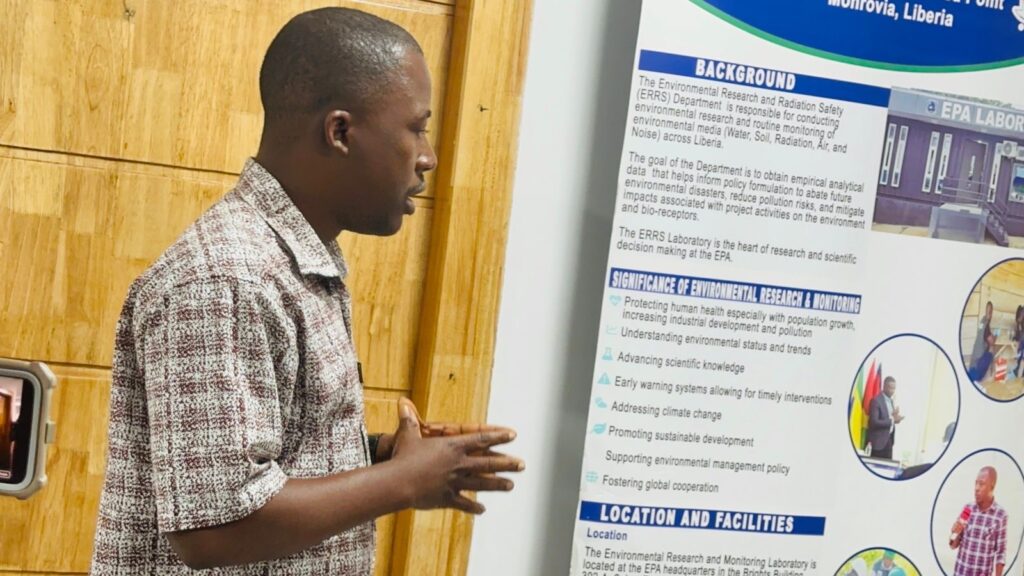
Rafael Ngumbu, Director of Environmental Research and Resource Services at the EPA, said the Agency is placing greater attention on research because environmental decisions must be supported by facts and scientific findings.
“Environmental decisions must be based on science, not assumptions,” Ngumbu said.
He explained that the EPA has begun collecting and testing samples from rivers and other parts of the environment to measure possible pollution. The samples are examined in the Agency’s laboratory and compared with both Liberian and international standards.
According to him, the process helps authorities determine whether water bodies or other ecosystems have been affected by harmful substances and what action may be required to address the problem.
The GIS Laboratory, meanwhile, is helping the EPA manage environmental information, map affected areas and monitor changes in land, water and other natural resources. Officials said the technology is becoming increasingly important in planning, research and environmental enforcement.
Ngumbu also disclosed that the EPA has identified three paint-producing companies operating in Liberia as part of efforts to address the use of toxic chemicals in consumer products.
Investigations, he said, found that some paints contained chemicals that may pose risks to human health and the environment. The EPA is now working with the companies to ensure those substances are removed or reduced to safe levels.
He said two of the companies have already met the required zero-level standard for certain dangerous chemicals, while discussions and compliance work continue with the remaining manufacturer.
The EPA official warned that long-term exposure to toxic chemicals can cause serious health problems, particularly for children, pregnant women and other vulnerable persons. He said the Agency’s engagement with paint manufacturers is therefore an important public-health and environmental-protection measure.
Beyond local monitoring, Ngumbu said the EPA is also benefiting from scientific cooperation with international institutions.
He said Liberia is working with the International Atomic Energy Agency to apply nuclear science in agriculture, particularly in research intended to improve rice production. The work includes efforts to develop rice varieties that can mature faster and support increased food production in the country.
Liberia is also collaborating with the Korea Agricultural Research Institute on possible methods for growing rice throughout the year. If successful, the initiative could help improve food availability and reduce pressure on farmers who depend heavily on seasonal planting.
Ngumbu noted that international cooperation is also contributing to improvements in Liberia’s health sector. Through projects supported by the IAEA, laboratory equipment and technical assistance have helped improve the country’s ability to diagnose cancer and detect other major diseases.
He said the availability of modern equipment has increased the capacity of Liberian institutions to conduct scientific testing locally, reducing the need to depend entirely on laboratories outside the country.
The EPA believes that continued investment in research, trained professionals and laboratory infrastructure will be essential to Liberia’s development agenda.
Ngumbu said partnerships with foreign research institutions offer Liberia access to modern technology, equipment, technical skills and scientific knowledge that may otherwise be difficult to obtain.
He assured that the EPA will continue working with local and international partners to improve environmental standards, expand research and ensure that public policies are guided by reliable scientific evidence.