Finance Ministry Calls for Stronger UN Coordination to Deliver Results for Liberians
Deputy Finance Minister Dehpue Y. Zuo underscores the importance of the UN’s longstanding support in peacekeeping, humanitarian assistance, and national development, while urging greater focus on sustainable results and institutional leadership.
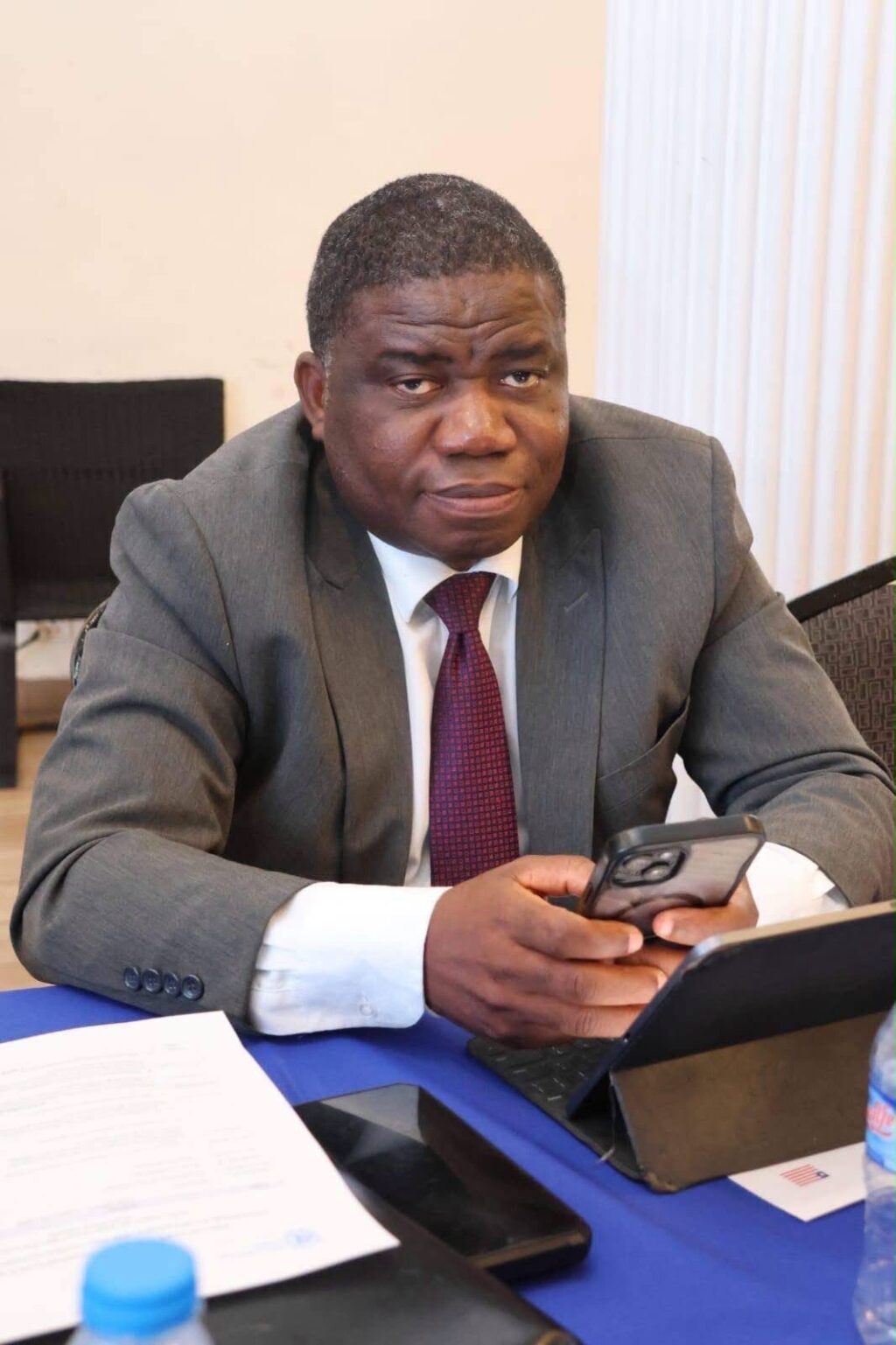
MONROVIA, Liberia — The Government of Liberia has called for closer coordination, stronger transparency and greater national ownership in its development partnership with the United Nations, stressing that international support must produce visible improvements in the lives of Liberians.
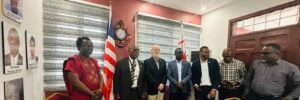
Deputy Finance Minister for Economic Management Dehpue Y. Zuo made the call during a partnership dialogue with the United Nations Country Team. The meeting focused on strengthening cooperation and improving the delivery of Liberia’s key development goals.
Speaking on behalf of Finance and Development Planning Minister Augustine Kpehe Ngafuan, Zuo praised the United Nations for its many years of support to Liberia. He said the UN has played an important role in peacekeeping, humanitarian assistance, post-war recovery and national development.
However, he said the partnership must now place greater attention on results, sustainability and the ability of Liberian institutions to lead and maintain development gains.
“Liberia values its partnership with the United Nations,” Zuo said. “But we must now ensure that this partnership produces stronger results, gives the country more ownership and helps build institutions that can sustain progress.”
He noted that Liberia’s cooperation with the UN remains important to the implementation of the ARREST Agenda for Inclusive Development, which covers the period from 2025 to 2029.
Zuo said reductions in international development funding have made it necessary for Liberia and its partners to adopt more reliable and accountable methods of financing development. He called for funding arrangements that are guided by Liberia’s own priorities and protected against waste or misuse.
According to him, development assistance should be directed toward areas that bring practical benefits to citizens, particularly women, children, persons with disabilities and other vulnerable groups.
He said the impact of development programs should not be judged by the number of projects launched, but by the quality of implementation and the changes those projects bring to communities.
“The real question is whether people are receiving better services, more opportunities and improved living conditions,” he said.
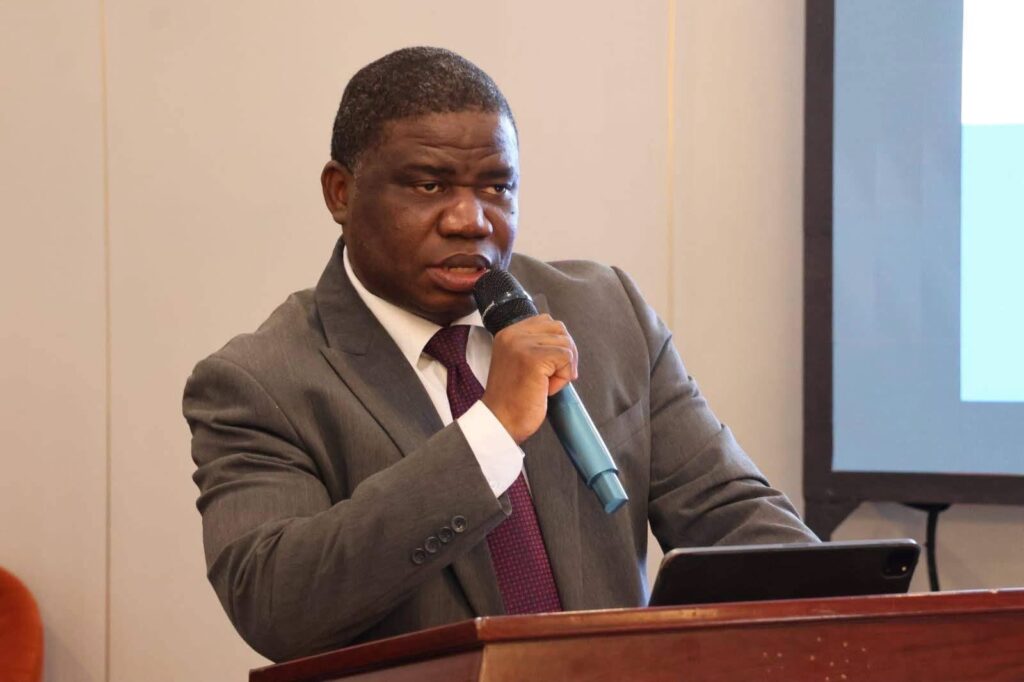
The Deputy Minister welcomed the connection between the United Nations Sustainable Development Cooperation Framework for 2026–2030 and Liberia’s national development agenda. He described the alignment as an important opportunity for the government and UN agencies to work from a shared plan.
He warned, however, that UN-supported programs should strengthen Liberia’s existing public institutions instead of creating separate structures that may not last beyond donor funding.
“We want this cooperation to build our institutions and improve investment planning,” Zuo said. “It should promote shared responsibility and better delivery, rather than create parallel systems.”
Zuo also referred to the estimated US$874 million expected under the UN cooperation framework. He urged the UN Country Team and government institutions to ensure that the funding is invested in carefully selected programs with clear and measurable development outcomes.
The Ministry of Finance and Development Planning, through its Aid Management and Coordination Unit, will play a central role in monitoring external assistance and ensuring that it supports government priorities, he said.
He further called for stronger reporting, monitoring and information sharing between government institutions and UN agencies. Zuo said the government still has limited information about some UN-supported projects being carried out across the country.
While recognizing the UN’s contribution to sectors including health, education, agriculture, social protection, governance, youth employment, gender equality and climate action, he said several problems continue to affect implementation.
Among the concerns he listed were slow procurement processes, delays in recruitment, weak reporting systems, fragmented project delivery and poor coordination among implementing partners.
Zuo said these concerns require joint action from the government and the United Nations.
With preparations for Liberia’s 2027 National Budget ongoing, the Deputy Minister urged the UN Country Team to clearly identify its priority interventions and the government coordination arrangements required to speed up implementation.
He said linking UN-supported programs more closely to the national budget process would improve accountability and help ensure that development resources are used in line with Liberia’s national priorities.
Zuo reaffirmed the government’s commitment to strengthening its cooperation with the United Nations and other development partners. He said Liberia wants development resources to be managed openly and used effectively to improve living standards across the country.
Also speaking at the dialogue, Christian Mukosa, Acting United Nations Resident Coordinator and Representative of the Office of the UN High Commissioner for Human Rights in Liberia, said the cooperation framework must become more than a planning document.
Mukosa said the success of the framework should be measured by its direct impact on ordinary Liberians.
He called for an honest review of what has been achieved, what challenges remain and what corrective steps are needed to improve implementation.
“The true value of this plan will be seen in the lives of Liberians,” Mukosa said. “It must lead to improved public services, greater opportunities and lasting development in communities across the country.”