UNFPA Trains Journalists on Reproductive Health Reporting in Liberia
Aimed at combating high maternal mortality and teenage pregnancy rates, a new UNFPA-led workshop is urging Liberian media professionals to move beyond basic event reporting and produce investigative stories focused on youth and women’s health.
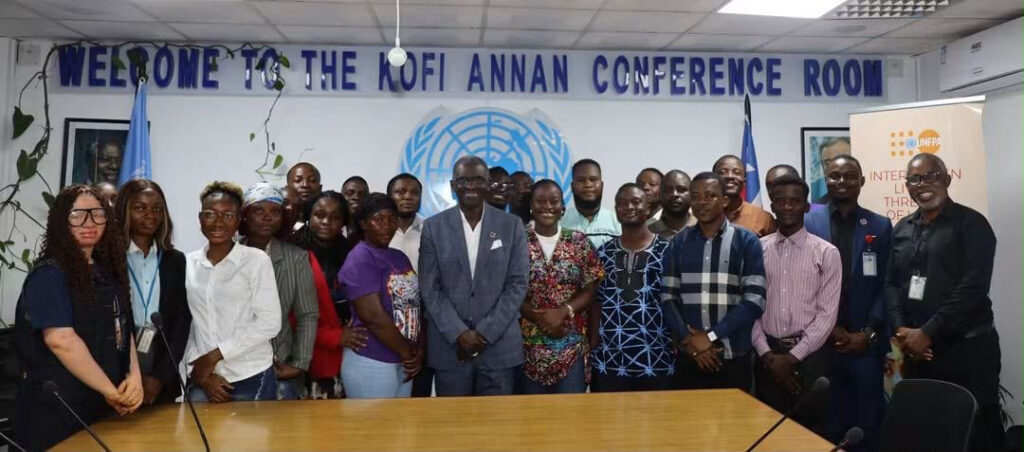
MONROVIA, Liberia — The United Nations Population Fund (UNFPA) has concluded a two-day training workshop aimed at strengthening media reporting on sexual and reproductive health and rights, gender issues, population trends and national development in Liberia.
The workshop, held from August 19 to 20, brought together journalists from Monrovia and several rural communities. It focused on helping media professionals produce accurate, responsible and people-centered stories on issues linked to the International Conference on Population and Development (ICPD) agenda.
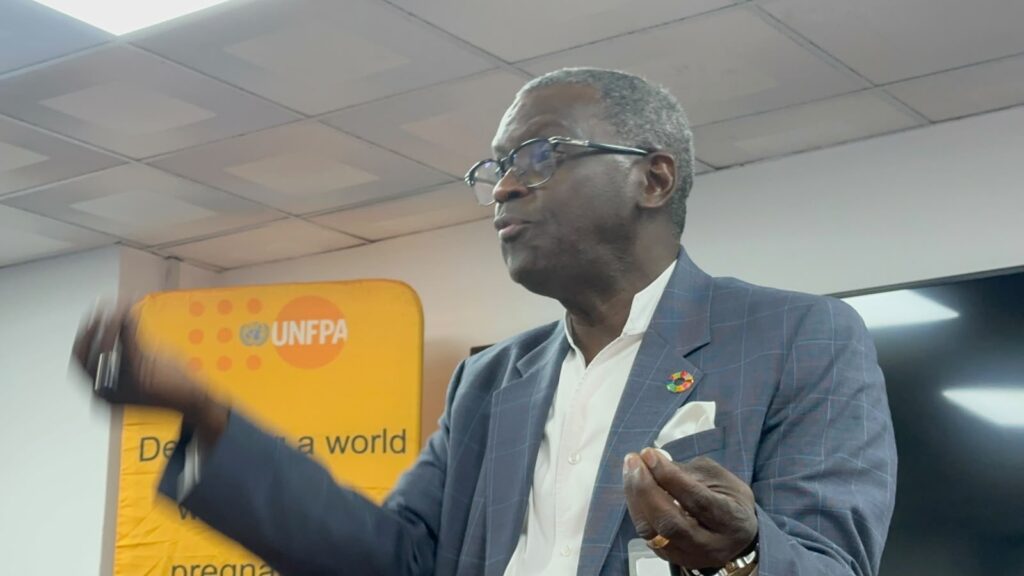
Speaking at the opening of the training, UNFPA Country Representative Mady Biaye said the media has an important responsibility to inform the public, promote accountability and support sustainable development.
He said Liberia’s progress will depend greatly on how the country responds to the needs of its young population, especially adolescent girls.
Biaye stressed that reducing teenage pregnancy and keeping girls in school are necessary steps toward improving the country’s social and economic future.
“Liberia has a very young population, and the media must pay attention to the realities affecting young people,” he said.
The UNFPA representative also raised concern about maternal deaths in Liberia, noting that many women still die from pregnancy-related complications even though a large number of deliveries take place in health facilities.
He urged journalists to examine the quality of health services, delays in receiving medical care, and barriers that prevent women and girls from accessing reproductive health information and services.
According to Biaye, adolescents account for an estimated 18 to 20 percent of maternal deaths in the country. He linked the situation to limited access to family-planning services, inadequate information, early pregnancy and unsafe abortion.
He called on the Ministries of Health, Gender and Youth and Sports to strengthen efforts to address these challenges and protect the health and rights of women and girls.
Biaye also encouraged journalists to go beyond basic event reporting by producing investigative and evidence-based stories that highlight the experiences of vulnerable and marginalized people.
“You cannot solve any problem thinking about yourself,” Biaye told participants.
During the workshop, journalists received training on UNFPA’s mandate, legal reforms supporting sexual and reproductive health and rights, ethical reporting on gender-based violence, harmful traditional practices and the role of young people in national development.
Organizers said the training was intended to improve the consistency, accuracy and human focus of media coverage on population, health and gender issues.
At the close of the event, participants were encouraged to use their various media platforms to amplify the voices of women, young people and marginalized communities, while contributing to informed public discussion on Liberia’s health and development priorities.