UN Calls for Stronger Financing and Accountability to Drive Liberia’s Development Agenda
UN Resident Coordinator Christine N. Umutoni has urged Liberia to shift from aid dependence toward stronger institutions, domestic financing and private investment to deliver the ARREST Agenda for Inclusive Development. Speaking at the AAID National Steering Committee meeting, she praised the Government’s inclusive development vision and called for flagship investments in youth, agriculture, digital transformation, climate resilience and governance to move Liberia from peace to prosperity.
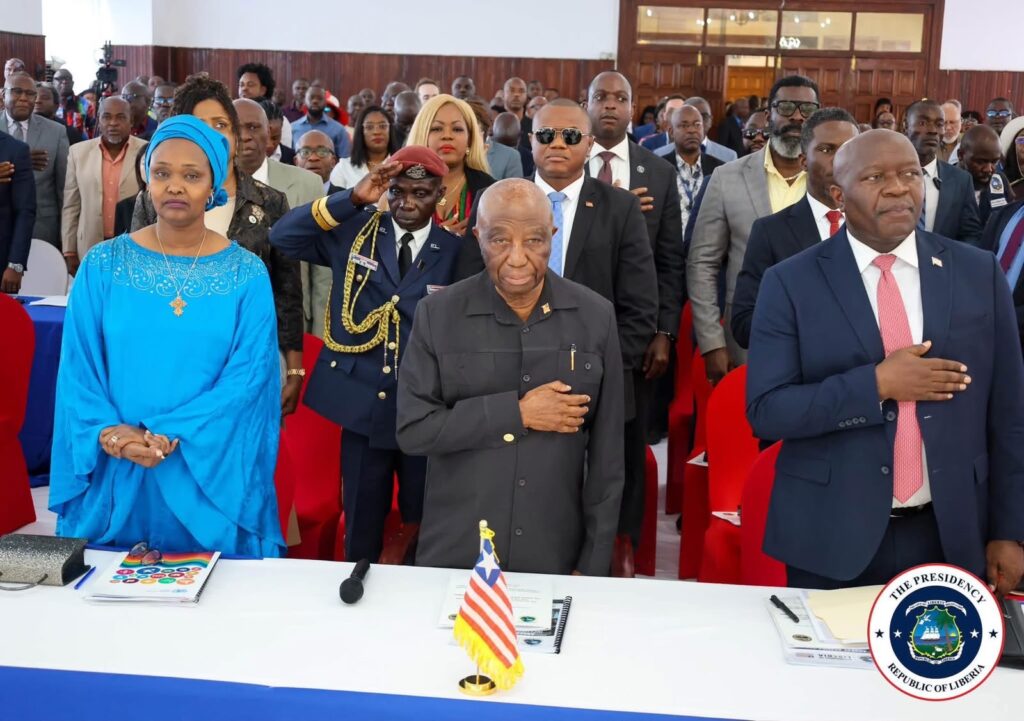
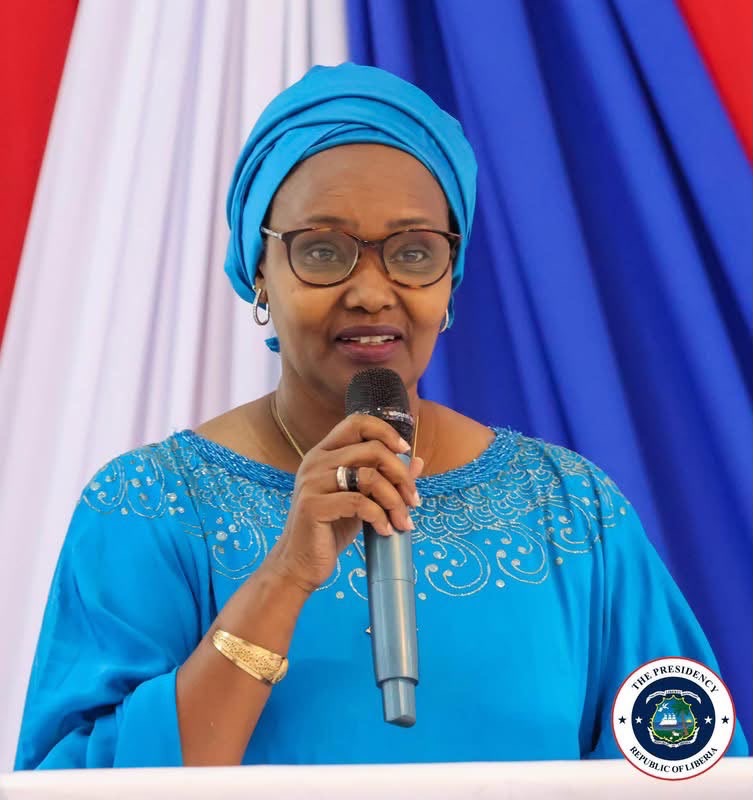
MONROVIA, Liberia — The United Nations has called on Liberia to speed up implementation of its national development plan, strengthen public institutions, and attract larger investments that can create lasting opportunities for citizens across the country.
Speaking at the National Steering Committee meeting for the ARREST Agenda for Inclusive Development (AAID) on Tuesday, United Nations Resident Coordinator Christine N. Umutoni praised President Joseph Nyuma Boakai Sr. and the Liberian Government for their leadership in promoting a national vision based on inclusion, partnership and shared responsibility.
Umutoni, who also serves as Deputy Chair of the AAID National Steering Committee, said Liberia’s development progress will depend not only on foreign aid but also on the country’s ability to build strong institutions, mobilize local resources and attract private investment.
“The focus must now be on transformation at scale,” she said, stressing that development must reach every county and improve the lives of ordinary Liberians.
The UN official said the current steering committee meeting marks an important shift from planning to delivery. While the AAID was formally endorsed and launched after the first National Steering Committee meeting in 2024, the focus now is on measuring progress, identifying challenges and ensuring that commitments lead to real results.
She noted that Liberia has already made early gains in decentralization, local development planning and domestic resource mobilization. However, she said many citizens are still looking for jobs, improved public services and better living conditions.
According to Umutoni, regular reviews of the AAID are necessary because they allow the Government, development partners, civil society, the private sector and other stakeholders to assess performance collectively and correct problems before they grow.
She commended the Government for maintaining the steering committee structure and promoting a results-based approach to implementation.
Umutoni warned that the global development environment is changing, with traditional aid declining and donors increasingly focusing on investments that show clear impact.
She said Liberia must adjust to this new reality by moving beyond dependence on grants and developing broader financing options. These include domestic revenue collection, climate financing, private-sector investment, innovative financial tools and support from the Liberian diaspora.
“The question is no longer only who will fund development programmes,” she said. “The question is how development programmes can be structured so that different sources of capital can support them.”
She highlighted the proposed Integrated National Financing Framework and Development Cooperation Policy being advanced by the Ministry of Finance. She said both measures could help Liberia build stronger partnerships with international financial institutions, private investors, development agencies, foundations and the diaspora.
The UN Resident Coordinator described Liberia’s young population as one of its strongest national assets. She said investments in education, skills training, healthcare, jobs, digital access and the economic empowerment of women and men could turn the country’s youth population into a major driver of growth.
She also emphasized that peacebuilding, reconciliation, accountability, women’s participation and social inclusion must remain central to national development.
According to Umutoni, strong governance and social cohesion are essential for attracting investors, gaining public trust and ensuring that development gains are sustained over time.
Liberia’s continued democratic progress, its efforts toward achieving the Sustainable Development Goals, and its growing international presence were also noted as signs of national resilience.
She said Liberia’s membership on the United Nations Security Council offers the country an important platform to present itself as a nation that has emerged from conflict, protected peace and strengthened democratic governance.
Umutoni urged Liberia and its partners to move away from scattered small-scale projects and concentrate on a limited number of nationally owned flagship investments with the potential to change the country’s development path.
She said such investments could focus on human capital development, agriculture and food systems, digital transformation, climate resilience and wider economic growth.
Liberia, she added, has several advantages that can attract investment, including its young population, natural resources, strategic location, peace record and growing international visibility.
“Liberia should be open for business, and the world should know it,” she said.
In her closing remarks, Umutoni outlined three priorities for the Government and its partners: accelerate development delivery across all counties, strengthen the shift from aid funding to broader development financing, and maintain strong coordination and accountability systems.
She called for continued support for the AAID coordination structure, including annual National Steering Committee meetings and the Government-Development Partners Retreat. She also urged stakeholders to agree on a date for the 2026 retreat.
Umutoni said Liberia’s future will not be determined by the amount of aid it receives, but by the strength of its institutions, the potential of its people, the investments it secures and the opportunities it creates.
“Liberia’s journey in peacebuilding has already shown the world what this country can achieve,” she said. “The next journey must be from peace to prosperity.”
She reaffirmed the commitment of the United Nations and development partners to continue supporting Liberia’s development efforts, even as some current officials complete their assignments in the country.