Howard-Taylor Defends CDC Record in Bong, Challenges Moye’s Claims of Marginalization
Former Vice President Jewel Howard-Taylor has pushed back against claims that Bong County was neglected under the Coalition for Democratic Change (CDC) administration. Highlighting unprecedented political influence and major infrastructure, health, and education investments during the Weah-led government, she urged leaders and voters to focus on factual development records rather than political rhetoric.
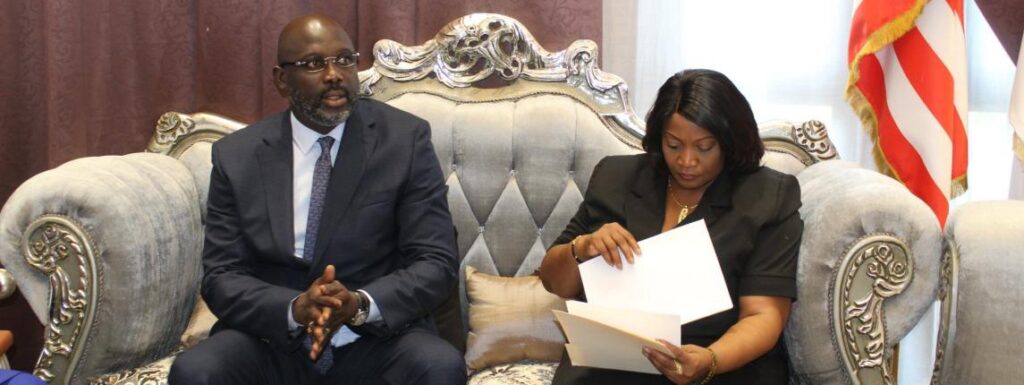
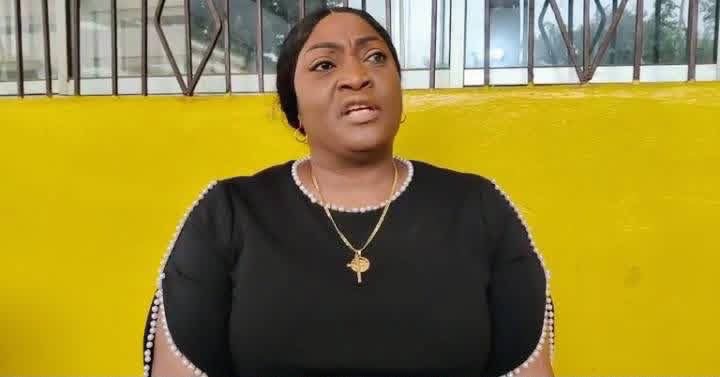
Gbarnga, Bong County, Liberia — Former Vice President Jewel Howard-Taylor has rejected assertions that Bong County was marginalized under the Coalition for Democratic Change (CDC) administration, arguing that the county enjoyed unprecedented political influence and benefited from major investments during the George Weah led government.
Speaking in an interview in Bong County, Monday, August 10, 2026, Howard-Taylor responded to comments attributed to Senator Prince Moye, who reportedly said he did not regret efforts that contributed to her removal from the vice presidency. She said Moye was entitled to his opinion but warned that political views should not be allowed to distort the historical record.
Howard-Taylor said Bong County held two major national positions following the 2017 elections: the vice presidency and the deputy speakership of the House of Representatives. She described the arrangement as unprecedented in the county’s history and said it created an opportunity for Bong leaders to jointly pursue development for residents.
“For the first time in the history of Bong County, we had a vice president elected, and we had a deputy speaker at the House of Representatives,” Howard-Taylor said, adding that former President Weah supported the arrangement because of the county’s longstanding concerns about limited development despite its electoral importance.
Development Record
The former vice president listed several projects and interventions she said were carried out or advanced during the CDC administration. They included improvements to the Gbarnga road network, completion of the Gbarnga-to-Batala Junction corridor, support for Bong County Technical College, construction of a new school facility, expansion of health services, employment and scholarship opportunities, and electricity-related arrangements involving Jungle Energy Power.
Howard-Taylor also said the government completed a new market, provided microcredit support for women, increased doctors’ salaries, and supported health facilities, including Phebe Hospital. She claimed the government covered more than 90 percent of the hospital’s budget at one point, although the interview did not provide documentary evidence for the figure.
She said these interventions contradicted claims that Bong County had been neglected.
“It is difficult to say that Bong County did not benefit,” Howard-Taylor said. “Bong County played a very pivotal role in the development agenda of our country.”
Howard-Taylor argued that political disagreements between Bong County leaders prevented the county from maximizing the influence that came with holding the vice presidency and deputy speakership at the same time. She said politics took priority over what she called the collective interest of the county.
Response to Moye
Addressing Moye’s reported claim that he helped “free” her from the CDC administration, Howard-Taylor said she was never in bondage and maintained that the government’s development record in Bong showed she was able to work for the county.
“If I was in bondage, the projects and the interventions that the Weah-led government did in Bong County would have never come to pass,” she said.
She said disagreements and challenges existed within the administration but insisted they did not prevent Bong County from receiving its “lawful benefits.” Howard-Taylor further argued that Moye should explain what he did as deputy speaker to support development initiatives in the county.
The former vice president said she was not speaking out in retaliation or in preparation for the 2029 elections. Instead, she said she was responding because she believed public claims about the CDC period required clarification.
Health and Education Projects
Howard-Taylor highlighted the rehabilitation and operationalization of the Winning Colors health facility, located in an area she described as Moye’s hometown. She said residents had requested the project during her 2014 senatorial campaign and that, after becoming vice president, she worked with the Ministry of Health to secure funding, equipment, staffing and payroll support for the facility.
She also defended the history of a recently dedicated school project in Gbarnga, saying the facility was initiated and completed before the end of 2023. Howard-Taylor said she advocated during cabinet discussions for Bong County to be among the counties selected for major education investments.
The former vice president urged journalists and fact-checking organizations to verify the records of projects and government statements. She said public officials should be assessed based on documented interventions rather than political rhetoric.
Howard-Taylor also reiterated her role in the establishment and upgrading of Bong County Technical College, describing it as a legacy project inspired by the struggles of young people who could not afford tertiary education outside the county.
She said the institution was intended to reduce the financial burden on families and expand access to higher education for students in Bong County and elsewhere.
“If my name is not on it, it does not change the fact that it was something that I championed,” Howard-Taylor said.
Calls for New Investments
While defending the CDC’s record, Howard-Taylor criticized the current Unity Party administration, saying many projects being dedicated in Bong County were initiated under the previous government. She challenged the government and Bong County lawmakers to identify new major investments that have been introduced since the administration took office.
She also raised concerns about drug use among young people, saying the CDC administration had begun establishing voluntary rehabilitation centers. According to Howard-Taylor, she visited two centers during the 2023 campaign period and found nearly 300 young people receiving assistance.
Howard-Taylor said future leaders should focus on large-scale investments that improve livelihoods, including education, roads, electricity, health care and job opportunities, rather than short-term political gestures.
She contrasted temporary assistance, such as rice distribution, with long-term investments in education, arguing that allowing families to send children to Bong County Technical College at low cost could transform entire generations.
NPP Plans and 2029
Turning to her political future, Howard-Taylor said the National Patriotic Party (NPP) is working to rebuild after an internal crisis. She said the party hopes to hold county and national conventions by December and plans to dedicate a new national headquarters in Gbarnga in the coming weeks.
Howard-Taylor said her immediate focus is party organization, mobilization and rebuilding structures across the country. The NPP, she said, has remained a significant political force since 1997 and intends to position itself for future political opportunities.
Looking ahead to the 2029 elections, Howard-Taylor said Bong County voters should assess political leaders based on the tangible benefits delivered during their respective terms in office. She said the discussion should not center on her personally but on what is in the best interest of the county.
“Bong County will have to take that decision: What would be in the best interest of raising Bong County from where we left it to a new level?” she said.