The Hidden Fatigue of Living With Vision Loss
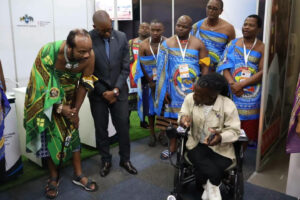
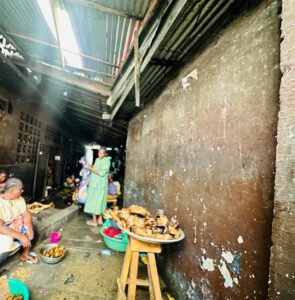
The daily life of someone with vision loss is a testament to their resilience and adaptability. Despite the challenges they face, they manage to perform routine activities with remarkable skill. Their ability to rely on memory, sound, touch, and careful observation showcases their strength and determination in overcoming the obstacles posed by their condition.

For many people with visual impairments, tiredness is not simply the result of a busy day. It is often the effect of constant mental effort required to complete activities that others may perform without much thought.
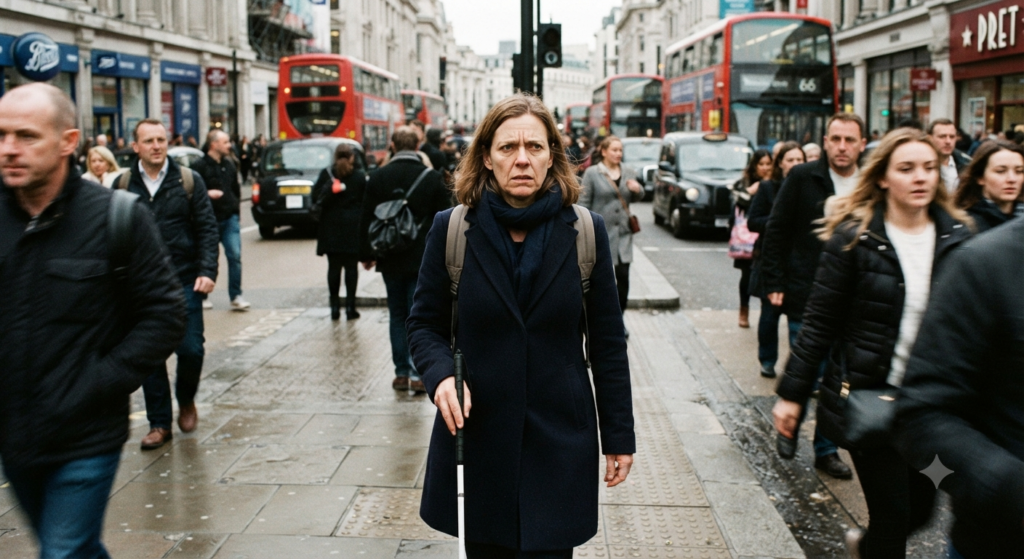
The challenges of sight loss are not always visible. A person may appear calm and independent while quietly using intense concentration to read, move safely, recognise people and manage ordinary routines.
Tasks such as selecting food from a cupboard, reading a phone screen, finding the right bus, crossing a street or locating dropped keys can demand sustained attention. In public places, the effort may increase further. Busy shopping areas, crowded sidewalks and unfamiliar buildings often require a person with low vision to watch for steps, uneven surfaces, signs, approaching pedestrians and other possible hazards.
This daily pressure can lead to both mental and physical exhaustion.
For someone with limited vision, reading a menu may involve searching slowly for each line of text. Identifying a familiar face across a room can become a difficult process of judging shapes, movement and distance. Even making a cup of tea may require extra care to avoid spills or burns.
Many of these actions happen automatically for people with full sight. However, people with vision loss may need to depend more heavily on memory, sound, touch and careful observation. Their brains are often working to interpret incomplete visual information while making quick decisions about safety and direction.
Health experts describe this as increased cognitive load. It means the brain uses more energy to process information and complete routine activities. Over time, that constant effort can cause deep fatigue, even when a person has not done physically demanding work.
The issue is often misunderstood because there may be no obvious sign of struggle. Some people are asked why they are tired when they have not been lifting heavy objects, travelling long distances or taking part in strenuous activity. Such questions can overlook the invisible work involved in navigating a world that is largely designed for people with full vision.
People living with sight loss are not weak when they need rest. They may have spent the day managing challenges that others never notice: listening closely at a road crossing, searching for important details on a screen, avoiding obstacles in a crowded space or trying to keep up with conversations and daily responsibilities.
Greater public understanding can make a meaningful difference. When a person with visual impairment says they are tired, the most helpful response is often simple: believe them.
The hardest work is not always the work that can be seen.