Nepal Flood Crisis Leaves Thousands of Women and Girls in Urgent Need of Aid
Nepal’s floods have created a “crisis of safety” for women, per UN Women. With food supplies low, water systems destroyed, and displacement raising GBV risks, female-led households and pregnant mothers are most vulnerable. The agency calls for direct aid access and warns against repeating past failures where women were excluded from recovery.
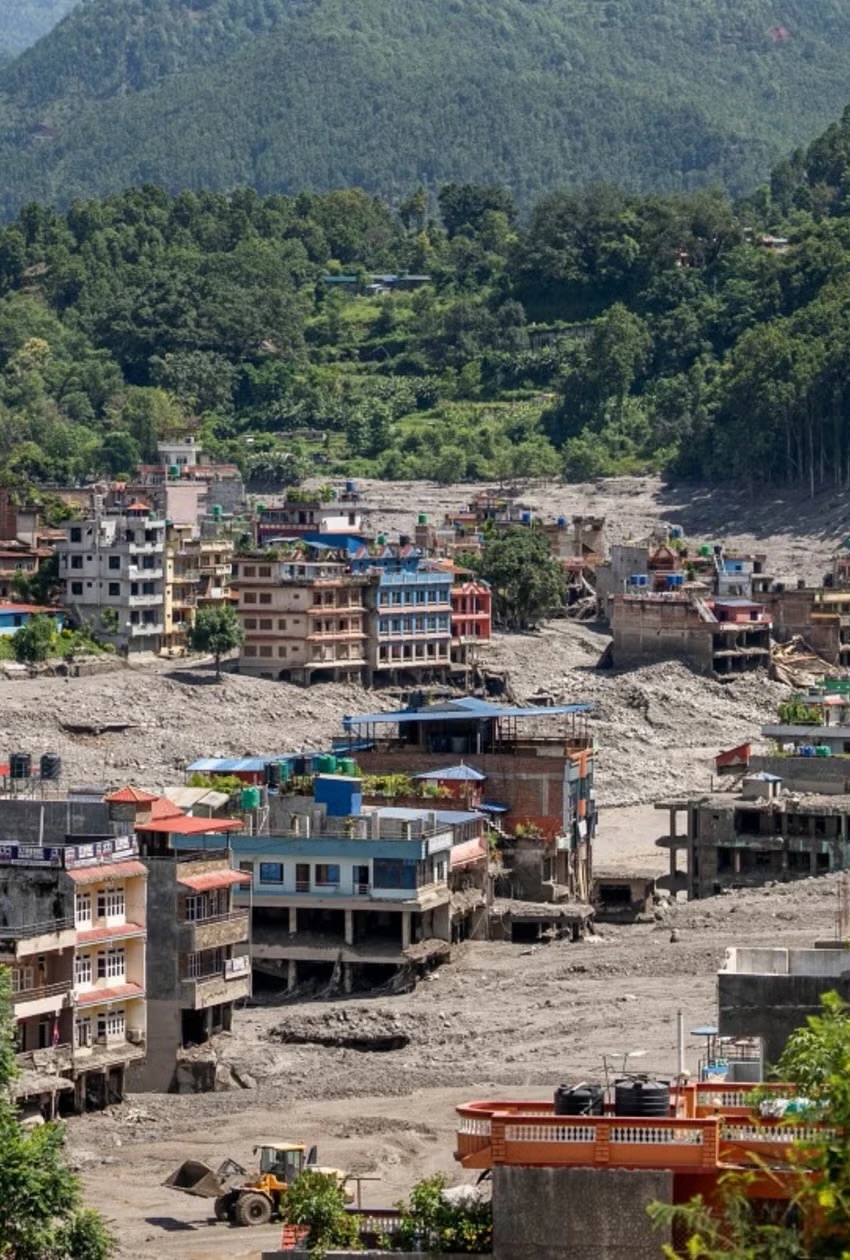
KATHMANDU, Nepal — More than 43,000 women and girls in flood-hit areas of Nepal are urgently in need of humanitarian support after flash floods devastated communities on August 26, according to UN Women.
The agency warned that the disaster has worsened existing inequalities, placing women, girls, pregnant mothers, persons with disabilities and female-headed households among the most vulnerable groups in the affected districts.
Christine Arab, UN Women’s Regional Director for Asia and the Pacific, said the flood emergency must not be viewed only as a matter of damaged homes, roads and bridges. She said it is also a crisis of safety, food, clean water, protection and equal access to relief for women and girls.
“In many communities, pregnant women, breastfeeding mothers, persons with disabilities and others who normally require support were unable to reach safer ground,” Arab said, citing reports from women-led organizations working in affected areas.
She said some people were swept away by the floodwaters because they could not move quickly enough to escape.
Women in some of the hardest-hit communities have identified food as their most immediate need. The floods destroyed homes, farms, roads, water facilities and transport routes, cutting off many families from basic supplies.
In Rasuwa District, women already spent long hours walking to collect water for their households before the flooding. The destruction of water systems, roads and bridges has now made access to safe drinking water even more difficult.
Humanitarian partners have also reported that food supplies are running low in several affected areas.
The situation is particularly serious for pregnant and breastfeeding women, who may face increased health risks when food is limited. UN Women noted that women in Nepal are often more likely to reduce their own food intake or eat after other family members during times of hardship.
The floods have also increased fears of gender-based violence, exploitation and human trafficking, UN Women said.
Women and girls may face greater danger when displaced communities lack safe shelters, private washing areas, lighting and separate toilets. In such conditions, routine activities such as bathing, sleeping or walking outside after dark can become risky.
Damaged roads, communication systems and public services may also make it harder for survivors of violence to seek help or report abuse.
The challenges are compounded by low literacy levels in some of the affected districts, where an estimated one in three women cannot read or write. This can prevent women from receiving important information about emergency aid, health services, protection programmes and recovery opportunities.
Many families in the affected areas are led by women because men have migrated for work, leaving women responsible for children, elderly relatives, farms and household finances.
UN Women estimates that about one in every three households in the impacted communities is headed by a woman.
These women often have fewer financial resources, fewer employment options and weaker support networks during emergencies. They may also face barriers in registering for aid, travelling to distribution points or taking part in local decisions about relief and rebuilding.
The agency said assistance must be designed so that women can access support directly, without depending on male relatives or facing additional administrative obstacles.
The floods have also added to women’s unpaid care responsibilities.
Women in Nepal already carry out an estimated 85 percent of the country’s unpaid household and care work, including cooking, collecting water, caring for children, supporting sick relatives and maintaining homes.
With houses destroyed, family members injured, schools disrupted and water systems damaged, that burden is expected to rise sharply.
As women spend more time caring for relatives and managing household survival, they may have fewer opportunities to earn income, restore their livelihoods or participate in community meetings on recovery plans.
UN Women said women-led organizations are playing an important role in reaching affected communities, even though many of these groups have also suffered losses from the flooding.
The agency called for stronger support for local women’s organizations and for women to be included in all stages of the humanitarian response, from emergency relief to long-term reconstruction.
Lessons from Nepal’s floods in 2021 and 2025 showed that many women were not meaningfully involved in applying for or receiving assistance, UN Women said. The agency warned that a similar pattern must not be repeated in the current emergency.
UN Women said it is working with the Government of Nepal and local partners to help women and girls access food, water, protection services and other essential support.
Arab said women must not be treated only as victims of the disaster, but as key participants in rebuilding their communities.
“The humanitarian response must recognize the experiences of women and girls,” she said. “It must reach them and include them as key drivers in Nepal’s recovery.”