Cooking Without Sight: Rethinking Ability in Our Kitchens
Blind individuals cook daily, relying on their senses rather than sight. With the right tools, kitchens can be inclusive spaces, allowing them to navigate and prepare meals safely. Society must shift its focus from limitations to opportunities, recognizing the resilience and adaptability of those with visual impairments.
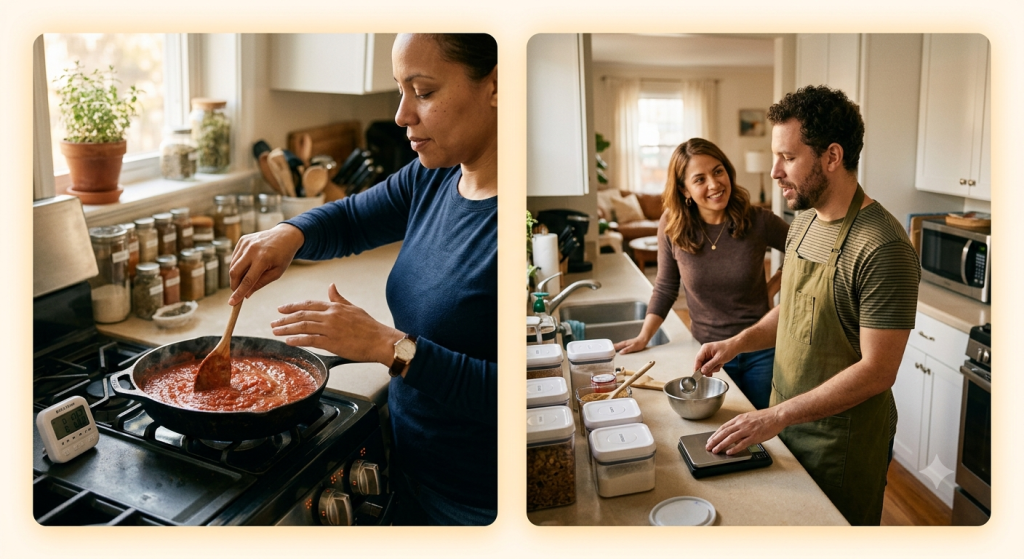
In many homes, cooking is seen as a visual task—watching food change color, checking the flame, or reading measurements. For this reason, some people struggle to imagine how a blind or visually impaired person can safely prepare a meal.
But this question says more about our assumptions than it does about their ability.
Across the world, blind individuals cook every day. They prepare meals for themselves and their families, not by sight, but by using their other senses—touch, smell, hearing, and memory. The sizzle of oil signals heat. The aroma of spices signals readiness. The texture of food reveals when it is done.
Cooking without sight is not a miracle. It is a skill.
What often stands in the way is not blindness itself, but the low expectations society places on people with visual impairments. When we assume inability, we limit opportunity. When we overprotect, we prevent learning. And when we exclude, we deny dignity.
Independence begins with access.
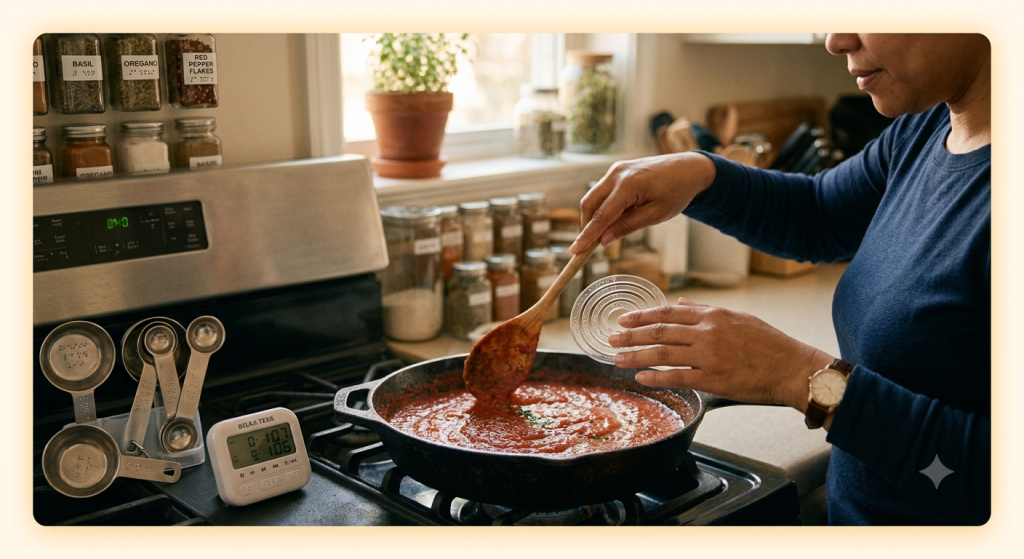
With simple adjustments, kitchens can become inclusive spaces. Tactile markings on stoves, talking timers, braille or audio labels, and organized layouts allow blind individuals to navigate safely and confidently. These are practical tools—not special favors.
Equally important is the attitude of those around them. Support should not mean control. Encouragement should not turn into restriction. Like anyone else, blind individuals learn through experience—by trying, practicing, and sometimes making mistakes.
Cooking is more than a daily task. It is a basic life skill tied to self-reliance and pride. To deny someone the chance to develop that skill is to deny them a part of their independence.
We must begin to shift the narrative.
Instead of asking how blind people manage in the kitchen, we should be asking how society can better support their autonomy. Instead of focusing on what is missing, we should recognize what is present—the ability to adapt, to learn, and to thrive.
Blindness does not remove capability. It simply changes the method.
And in that difference lies not weakness, but resilience.