Infertility and Stigma: Liberian Women’s Search for Answers and Care

By Faith Grant
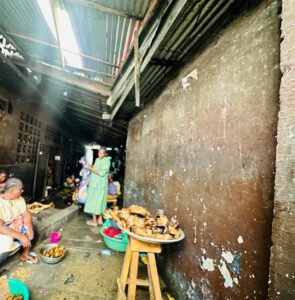
For Nancy Momo, the grief of losing her infant son has been compounded by years of taunts, medical visits and an unfulfilled wish to have another child.
Nancy, 50, said she has visited several hospitals and clinics in Monrovia seeking answers. Although doctors have told her she is physically well, she remains uncertain about why she has been unable to have another baby.
She recalled giving birth to a boy while living in Monrovia. When he fell ill at just one month old, she rushed him to a hospital, but he died. The loss has stayed with her ever since.
“I am happy one minute, and the next hour I am grieving over my child. I began living in a community where my peers and kids called me a barren woman,” Nancy said.
Over the years, she has cared for other people’s children. She described the pain of having children she had raised later reject her as their mother.
Nancy has also raised her sister’s daughter since the girl was two years old. Now 13, the girl has recently begun asking questions about their family relationship, Nancy said.
For Nancy, these experiences have added to the emotional strain of grieving her son while continuing to hope for another child.
The Cost of Seeking Care
Thirty-year-old Cynthia describes a similar struggle after a decade of trying to become pregnant. Her boyfriend, 38, has five children with other women, she said, while she has been unable to conceive.
After an ultrasound at a hospital, Cynthia said a doctor recommended surgery for what she understood to be fluid blocking her womb. She said the proposed procedure would cost US$300, which she cannot afford.
Cynthia currently cares for her brother’s three-year-old daughter. She hopes financial assistance will allow her to pursue the treatment recommended to her.
Her account reflects the uncertainty that can accompany the search for fertility care, particularly when the cost of treatment is beyond a patient’s means.
Understanding Infertility
The World Health Organization defines infertility as the inability to achieve pregnancy after at least 12 months of regular sexual intercourse without contraception. The causes may involve the male or female reproductive system, or remain unexplained.
Infertility can also occur after a previous pregnancy, a condition known as secondary infertility.
WHO notes that women often face blame when a couple cannot conceive, even when the cause has not been established. The consequences can include stigma, emotional distress, relationship breakdown and violence.
These distinctions matter in discussions that place responsibility for having children almost entirely on women.
What the Census Shows
The Liberia Institute of Statistics and Geo-Information Services (LISGIS), in its fertility report based on the 2022 census, examined childlessness among women aged 40 to 49.
Of the 226,743 women in that age group, approximately 21 percent were recorded as having never given birth. The proportion was higher in rural areas, at 22.6 percent, than in urban areas, at 19.8 percent.
These figures describe childbearing histories, not medically diagnosed infertility. They do not establish why a woman has not given birth or whether she wants to have children.
They also describe a different experience from that of someone who has given birth but has no surviving biological children, as Nancy’s account illustrates.
Supporting Reproductive Choices
Understanding people’s circumstances is central to providing appropriate support. UNFPA’s 2025 State of World Population report emphasizes the need to ask people about their reproductive wishes and the barriers preventing them from fulfilling those wishes.
A UNFPA/YouGov survey cited in the report found that, among respondents in Italy aged under 50, 1 percent expected to have more children than they wanted, while 14 percent expected fewer.
At the same time, nearly a quarter of all Italian respondents said they or their partner had experienced an unintended pregnancy. The findings illustrate why support for people who want children must coexist with access to services that prevent unintended pregnancies.
UNFPA also cautions against treating unintended pregnancy as a solution to unmet wishes for children or low national birth rates. Even when a pregnancy is eventually welcomed, its consequences can affect a woman’s health, education and livelihood for years.
For Nancy and Cynthia, the search for answers remains deeply personal. Their experiences point to the need for clearer medical information, affordable care and support that recognizes the emotional burden of their struggles.
They also show how much harm social judgment can cause when women are measured by their ability to bear children.
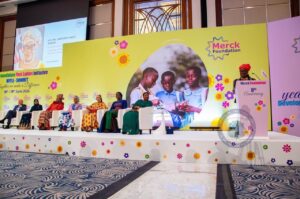
This story is in connection with merck foundation emphazing the issues that women faces with infertility crisi.