Liberia Looks to Rwanda for Lessons on Proposed National Peace Museum
More than 20 years after its civil wars ended, Liberia is moving forward with plans to establish a Peace, Reconciliation and Memorial Museum. Following President Boakai’s public apology, a Liberian delegation studied Rwanda’s memorialization and archival systems to inform the project. The museum would serve as a national center for preserving wartime records, fostering dialogue, and ensuring the past is not forgotten.
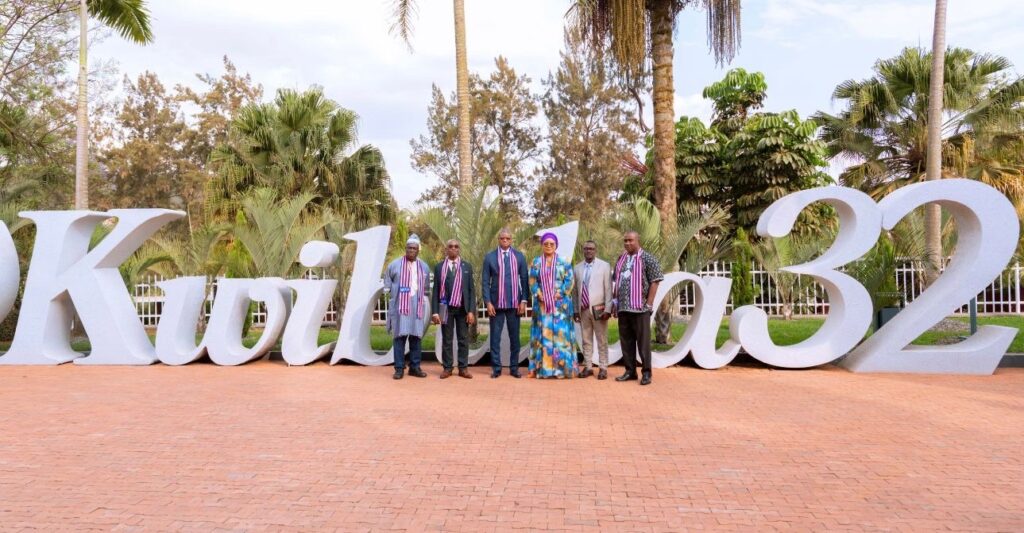
KIGALI, Rwanda — Liberia is taking new steps to preserve the memory of its civil wars and strengthen national healing through plans to establish a Peace, Reconciliation and Memorial Museum.
More than 20 years after the end of Liberia’s civil conflict, the proposed institution is expected to document the country’s troubled past, protect important historical records, and educate future generations about the human cost of war and the importance of lasting peace.
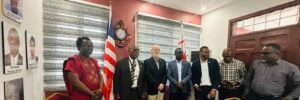
A high-level Liberian delegation, led by Minister of State without Portfolio Hadja Mamaka Bility, recently concluded a study visit to Rwanda as part of efforts to develop the museum. The visit was supported by the United Nations Development Programme, or UNDP.
Rwanda was selected because of its experience in preserving the memory of the 1994 Genocide against the Tutsi and using memorial sites, archives, education, and public dialogue to support national recovery and reconciliation.
During the visit, the Liberian delegation examined how Rwanda has transformed places connected to tragedy into centers for learning, remembrance, research, and peacebuilding.
Minister Bility said the mission supports President Joseph Nyuma Boakai’s broader reconciliation agenda, which seeks to move the country beyond discussion and toward the creation of lasting institutions.
“This study tour is in line with President Boakai’s vision for national reconciliation, with support from UNDP,” Bility said. “Liberia is prepared to move from simply discussing reconciliation to building institutions that preserve our history, tell our national story, and ensure that future generations learn from the past.”
Liberia has remained at peace since the end of its second civil war in 2003. However, much of the country’s wartime history remains scattered across government institutions, private collections, local archives, and records held outside Liberia.
Photographs, videos, official documents, reports, and testimonies from survivors are at risk of being damaged, lost, or forgotten if they are not properly collected and preserved.
Officials say the proposed museum would serve as a national center for gathering, verifying, digitizing, and safeguarding records related to Liberia’s civil wars. It is also expected to support academic research, public education, dialogue, and peacebuilding activities.
The initiative comes after President Boakai’s public apology in July 2025 to victims, survivors, and families affected by the country’s civil wars. The apology, issued on behalf of the Liberian government, was widely viewed as an important recognition of the suffering caused by years of violence.
Liberia’s two civil wars claimed thousands of lives, forced hundreds of thousands of people from their homes, destroyed communities, and left painful memories that continue to affect many families.
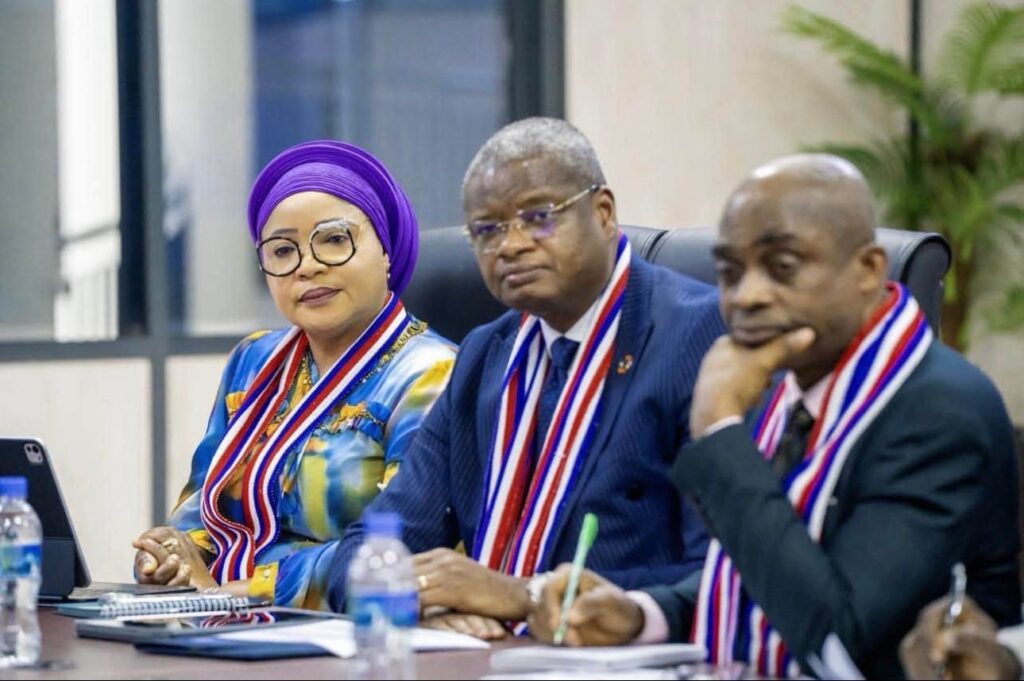
While in Rwanda, the delegation visited several key institutions involved in peacebuilding, historical preservation, and post-conflict recovery. These included the Gacaca Archives and Digitization Programme, the National Archives of Rwanda, the Campaign Against Genocide Museum, the University of Rwanda’s Centre for Conflict Management, the Rwanda Peace Academy, and the Mutobo Demobilization and Reintegration Centre.
The Liberian team reviewed Rwanda’s methods for collecting and preserving historical evidence, including systems for verifying records and converting documents into digital formats.
They also learned how Rwanda has connected memorialization with civic education, conflict prevention, social cohesion, and efforts to prevent future violence.
UNDP Liberia Resident Representative Aliou Mamadou Dia said the study mission forms part of the organization’s wider support for Liberia’s peace and reconciliation process.
“UNDP is working with the Government of Liberia to support the Peace and Reconciliation Museum as part of the President’s reconciliation agenda,” Dia said. “This visit gives Liberia an opportunity to learn from the experience of other countries, adjust useful lessons to the Liberian context, and work with partners to make the museum a reality.”
Dia said meaningful reconciliation requires countries to confront difficult parts of their past while ensuring that the experiences of victims and survivors are not erased.
The visit also opened discussions on possible technical cooperation between Liberia and Rwanda in areas such as museum administration, archival preservation, digitization, peace education, and professional exchanges for staff.
The delegation also held engagements with Aegis Trust Rwanda, an organization known for its work in genocide education, memorial development, and survivor-centered remembrance.
Liberian officials stressed that the country will not simply duplicate Rwanda’s approach. Instead, they said lessons from Rwanda will be adjusted to reflect Liberia’s own history, culture, wartime experiences, and national needs.
Following the Rwanda visit, the delegation is expected to travel to South Africa for the next stage of the study tour.
There is growing expectation that the proposed Peace, Reconciliation and Memorial Museum could become one of Liberia’s most significant post-war institutions. Supporters believe it could help secure the country’s historical record, honor victims and survivors, encourage national dialogue, and promote unity among future generations.
For many Liberians, the planned museum represents more than a building or archive. It is seen as an opportunity to preserve the voices of those who suffered, survived, and helped rebuild the country after years of conflict.
If realized, the museum could provide Liberia with a shared national space where the past is remembered honestly, lessons are learned openly, and the country’s commitment to peace is passed on to generations yet to come.